|
Forensic Services: |
|
| Digital Evidence Preservation (or Forensic Imaging) | |
|
 This process is
used to generate a 'working copy' of such media, thus allowing
a lawful investigation to take place whilst not modifying the
original media (routinely called the 'primary evidence'). This process is
used to generate a 'working copy' of such media, thus allowing
a lawful investigation to take place whilst not modifying the
original media (routinely called the 'primary evidence').
The 'imaging' process (which can take place in our laboratory or on-site at any given location) is carried out using industry standard computer equipment that has been developed specifically for the purpose of preserving digital evidence. Working copies created in this
'forensically sound' manner are accepted worldwide by both
civil and criminal courts. In the eyes of the law, a
properly created 'working copy' is as good as the original
media it was generated from. |
|
| Digital Investigations (or Forensic Analysis) | |
|
There are many common types of investigation that we carry out on a routine basis, a handful of examples follow;
|
|
| Forensic Investigators Written Report (or Expert Witness Statement) | |
|
All of our reports are written in plain English, with all technical 'jargon' explained using layman's terms. This allows you, the court or an employee to fully understand the evidence being presented, without being overwhelmed with raw unexplained technical information, which may be interpreted incorrectly. As our reports are produced by
experienced highly qualified investigators, they are also
admissible in a court of law, and can mean the
difference between a case being settled outside the court
room - as
opposed to being argued within. |
|
| Digital Evidence Presentation (Small to Medium sized investigations) | |
|
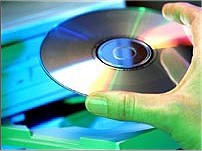
We offer a number of solutions for the review of small to medium quantities of digital documents, the most common method for such quantities is to produce a series of 'Evidence Review' Compact Discs (see picture right). These discs allow you, to safely review the contents of E-Mail messages and other digital document types using nothing more than web-browser software (that you are using to read this very web-page) and the CD drive fitted to your computer. Once digital document files of evidential value
have been identified by this process, our investigator can
produce a written report that focuses in on these key pieces of evidence.
No special computer knowledge is required to operate our
Evidence Review discs, a demonstration is available on
request. |
|
|
Digital Evidence Presentation (Large or Enterprise sized investigations) |
|
|
For large or enterprise scale
investigations where tens, hundreds or even thousands of
computers are involved, a bespoke E-Discovery solution is
required. This means that all of the digital documents
recovered from the computers targeted in the investigation
are filtered, have duplicates removed and are then piped into a
purpose built computer system, where they are
processed collectively (as opposed to being split across a
number of CD's as in smaller investigations).
Once the digital documents have been transferred to the
E-Discovery
system, tasks such as the removal of corrupt (unreadable)
data, the de-protection of password protected documents, bates numbering and language
translation (if required) can take place.
After these tasks have been completed, the resulting
documents are made available to view over a secure internet
connection, meaning that your legal team can review, print
or search the resulting documents from their office via a web browser (the
program you are using to view this webpage) |
|
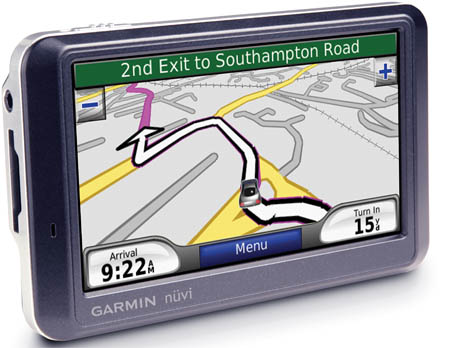
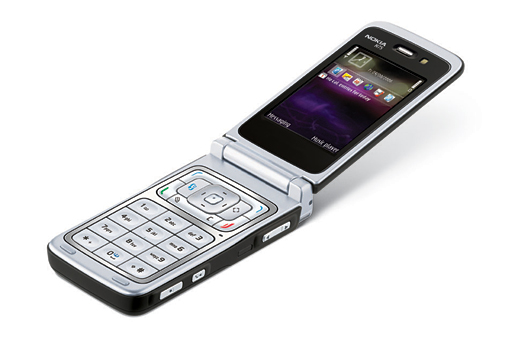
| Mobile Telephone and Satellite Navigation Forensics | |
We offer comprehensive services in relation to these devices, click the links below to see our services relating to each. |
|
|
|
|